
By Jacoby Goodson
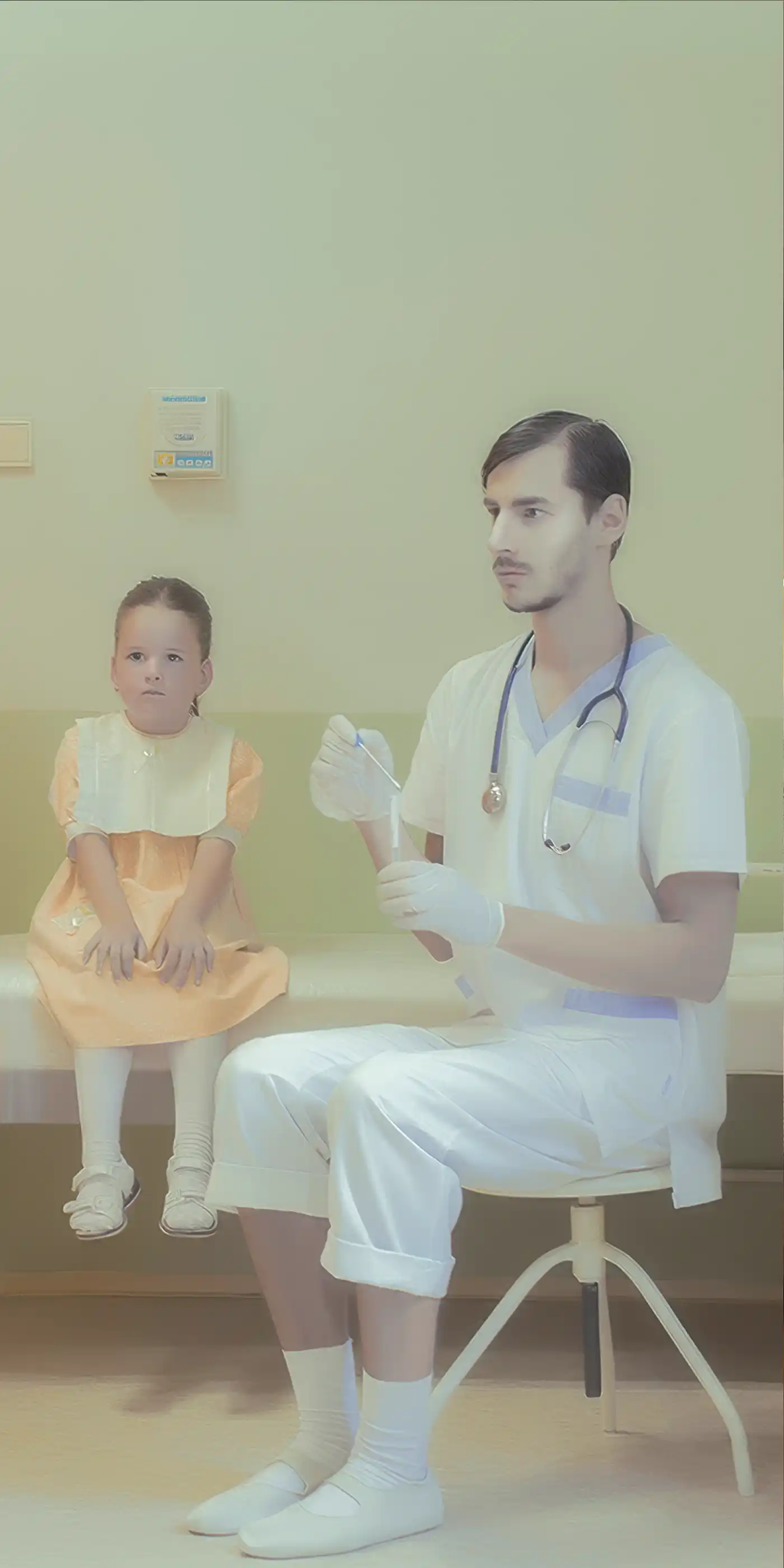
A woman gets admitted to a hospital at 2am. She's scared, and she doesn't know yet how serious it is. A nurse walks in, sits down next to her, and explains what happens next in plain language instead of rushing through it. That's the moment that decides how this woman feels about the hospital, not anything she saw on television that week. She probably can't even remember if she saw an ad for the place before she got sick.
Nobody handed that nurse a brand deck before her shift. She never read a strategy document. But she is the actual advertisement, and marketing departments spend almost no time thinking about her.

Healthcare Advertising Has a Sameness Problem
That gap, between the moment that actually shapes a patient's opinion and the moment marketing departments should be obsessing over, is where healthcare advertising keeps failing. Turn on the TV during any commercial break and you'll see the same hospital ad, more or less, no matter which hospital is airing it. Soft lighting with a doctor holding a patient's hand. A voiceover about "compassionate, world-class care."
The reason is simple: Healthcare marketing passes through more reviewers than almost any other category. Compliance meeting after compliance meeting, there is no way around it. Each one is focused on removing risk, and what survives that many rounds of review is destined to fall within a similar category to the others. A message nobody objects to is usually a message nobody remembers.
Patients end up unable to tell hospitals apart, so they choose based on distance or insurance, and the advertising money mostly goes to waste.
What Northwell's "Doesn't Kill to Ask" Did Differently
One campaign broke that pattern. Instead of advertising a specific department or some kind of credibility marker, Northwell Health took a public stand on gun violence, the leading cause of death among children and teenagers in the U.S.
The campaign, Doesn't Kill to Ask, used dark humor to get parents talking about whether there were guns at home. It won three Effie Awards and generated hundreds of millions of dollars in free press coverage.
That result usually gets told as a story about creative courage. The part that gets left out is what had to happen before the ad even aired.
The Campaign Doesn't Work Unless the Staff Believe It First
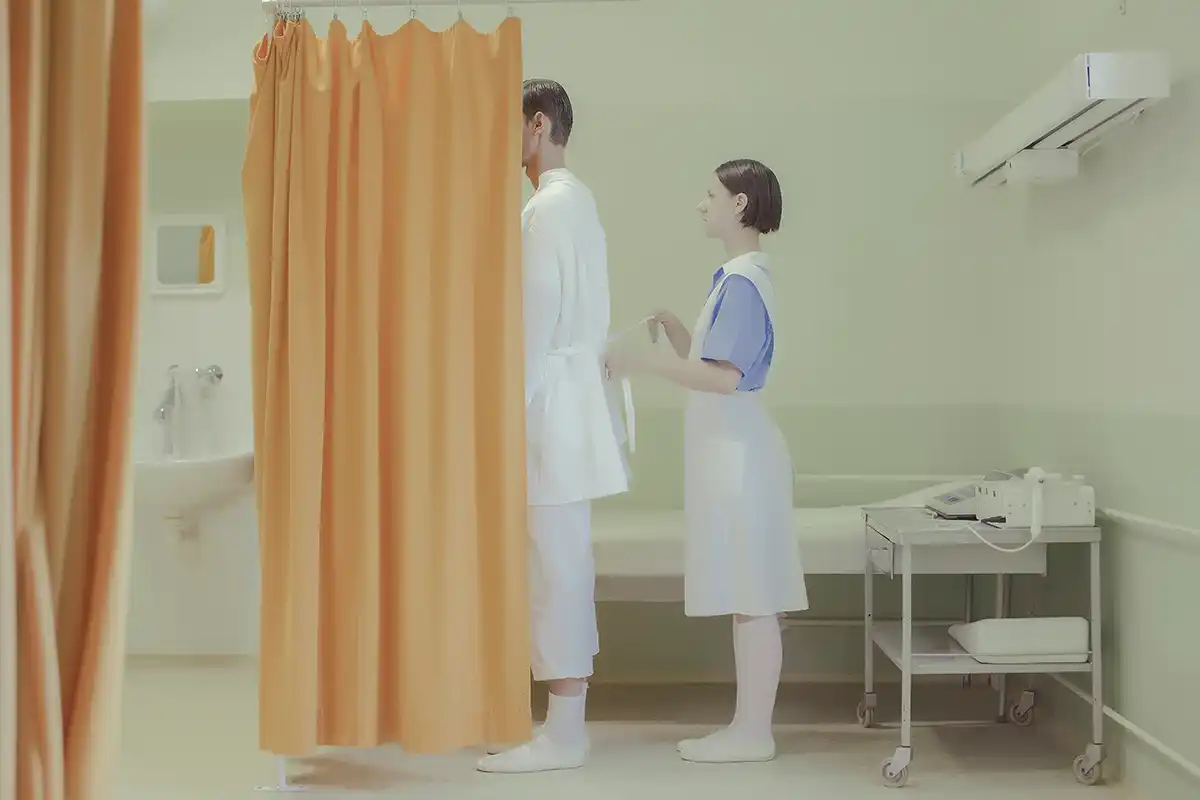
Somewhere inside that hospital system, a pediatric nurse has fifteen minutes with a family in an exam room. If she thinks the gun violence campaign is a marketing stunt, she won't bring it up. She won't feel comfortable asking a parent about guns at home, which is exactly the behavior the whole campaign exists to encourage.
So the campaign's real audience was never just the mother of 3 watching TV. It was every employee who needed to be empowered enough to act on it themselves, without a script. That's why the internal work has to happen before the external work.
If a hospital tells the public what it stands for before telling its own staff, employees learn what their employer believes from a commercial, the same way a stranger would.
What This Means for Compliance Meetings
This is also why the compliance conversation, which is where most healthcare marketers spend their energy, isn't actually the conversation that decides whether a campaign works. Knowing what counts as a clinical claim matters, but it's a different question from whether the people delivering care believe what the ad says about them.
At StrawberryFrog, that belief is the starting point on every healthcare account, including our work with Northwell, LifeBridge Health, and RWJBarnabas Health. We find something the hospital can honestly stand behind, then make sure the people delivering care believe it before spending a dollar convincing the public.
Going Back to the Nurse at 2am
The real test of a healthcare campaign was never whether patients believed it. It's whether that nurse did, long before any patient ever saw it. Ask the people working the night shift if the campaign sounds true to what they actually do. If they roll their eyes, it hasn't done its job yet, no matter how many awards it wins later.
The best healthcare advertising doesn't convince a patient of anything. It gives the nurse at 2am a reason to believe that what she's doing matters.